Year-end tax preparation is more than a compliance task. It is an opportunity to clean up your financial records, reduce tax risk, and start the new year with clarity. For self-employed individuals, 1099 contractors, and small business owners, the condition of your books directly affects how smooth—or stressful—tax season will be.
Using a structured year-end tax prep checklist helps ensure your records are accurate, required filings are completed on time, and nothing important is overlooked before the year closes.
Organize and Clean Up Your Financial Records

Accurate bookkeeping is the foundation of effective tax preparation. When your books are disorganized or incomplete, preparing a tax return becomes more time-consuming, more expensive, and more prone to errors.
Messy records often lead to higher CPA fees, missed deductions, and avoidable back-and-forth during tax season. Clean books, on the other hand, allow your tax preparer to focus on strategy rather than cleanup.
Reconcile Your Accounts and Update Your Books
Reconciliation is the process of matching your accounting records to external statements, such as bank accounts, credit cards, and loan statements. At year-end, every account should be reconciled so your books reflect your true financial position.
You should confirm that:
- All income has been recorded
- All business expenses are entered correctly
- Bank and credit card balances match your statements
- Outstanding loans and liabilities are properly reflected
Reconciling accounts helps catch errors, duplicates, or missing transactions before they turn into tax issues.
Organize Receipts and Deduction Documents
Year-end is the time to gather and organize receipts, invoices, and supporting documents for deductible expenses. The IRS requires documentation to support deductions, and missing records can result in disallowed expenses.
You should also review whether business and personal expenses are clearly separated. Mixing the two is a common issue that creates problems during tax preparation and, in some cases, during audits.
Catch Up on Taxes and Compliance Tasks
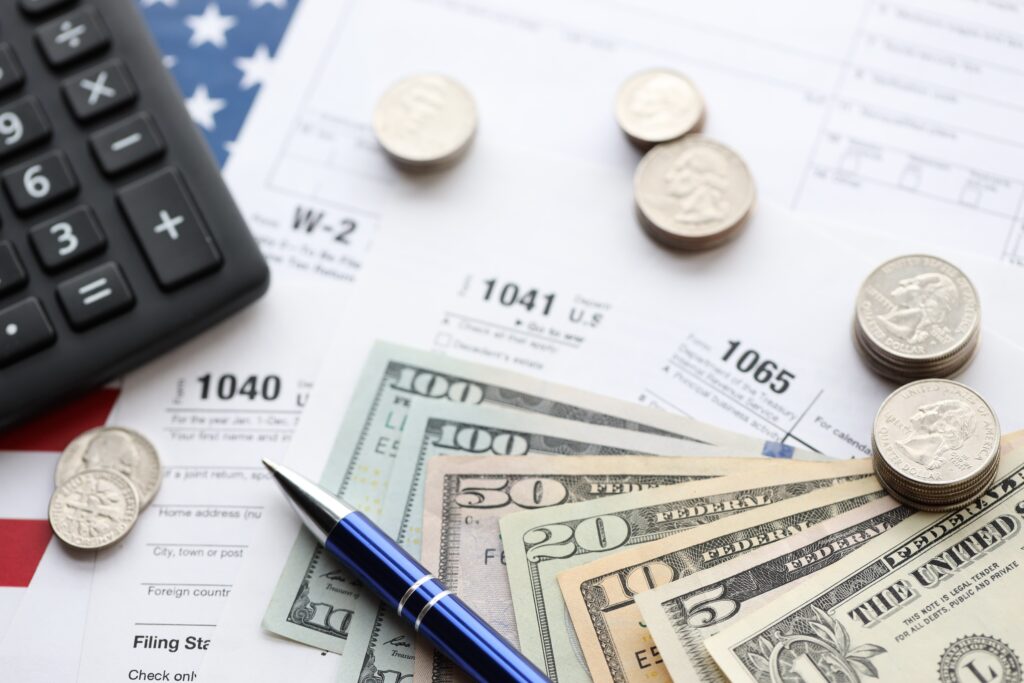
Before the year closes, it’s important to address outstanding tax payments and filing obligations. Catching up now helps prevent penalties and reduces surprises when tax returns are prepared.
Pay Your Final Estimated Taxes & Avoid Penalties
Self-employed individuals and 1099 contractors are responsible for making estimated tax payments throughout the year. The fourth-quarter estimated tax payment is due January 15.
Paying or reviewing this payment before year-end helps avoid underpayment penalties and interest. If you are unsure whether you’ve paid enough, reviewing your income now gives you time to adjust.
Issue 1099s, W – 2s. And Complete Other Filings
If you paid independent contractors during the year, you may be required to issue Form 1099-NEC by January 31. Year-end is the right time to:
- Confirm which contractors require a 1099
- Collect missing W-9 forms
- Verify names and tax identification numbers
If you have employees, W-2 preparation should also be planned before January to avoid delays and corrections.
Review and Settle Any Other Tax Liabilities
Year-end is also a good time to review other tax obligations, such as:
- Payroll tax deposits
- Sales or use tax filings
- S-corporation compliance requirements, if applicable
Addressing these items early helps prevent compounding issues in the new year.
Review Deductions and Plan for the New Tax Year
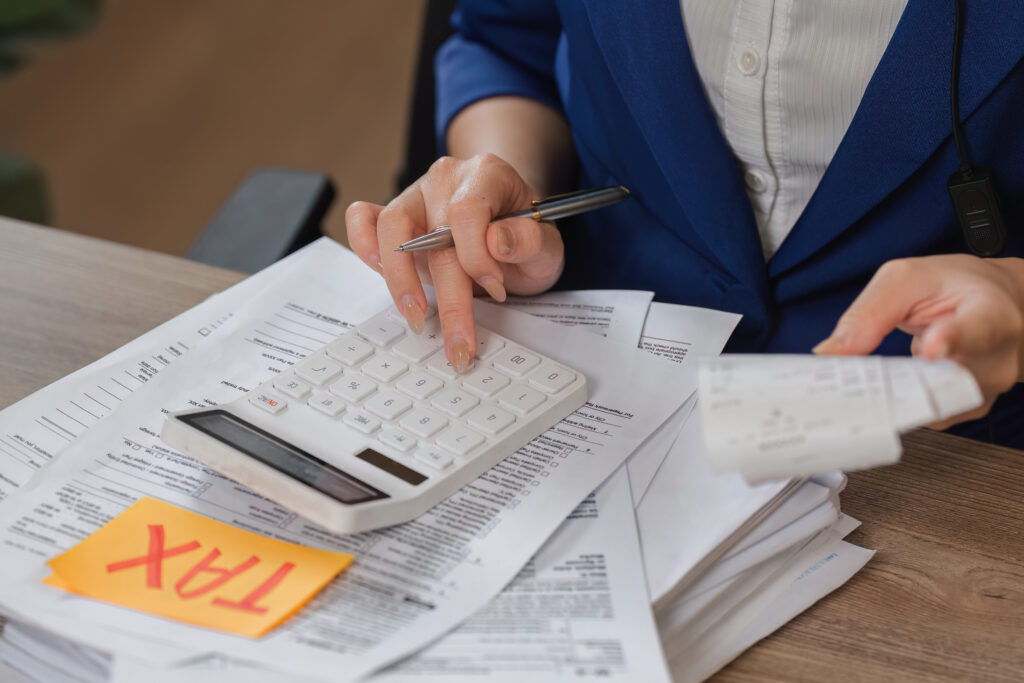
Once your books are clean and compliance tasks are addressed, year-end becomes a planning opportunity—not just a checklist.
Maximize Deductions and Credits
Review your expenses to ensure you are capturing all allowable deductions. Commonly overlooked items include:
- State and local taxes
- Professional licenses and certifications
- Continuing education related to your profession
- Business-related fees and permits
Some expenses must be paid before year-end to qualify, so timing matters.
Note Tax Law Changes for the Upcoming Year
Each year, the IRS releases inflation adjustments and updates that can affect tax brackets, standard deductions, and contribution limits. Being aware of these changes helps you plan more effectively for the new year rather than reacting during filing season.
Set Financial Goals and Budget for Next Year
After cleaning up your books, you can review your financial performance and set goals for the coming year. Many business owners use this time to:
- Set a realistic budget
- Plan estimated tax payments
- Identify areas for growth or cost control
Clean books make these decisions far more reliable.
Start the New Year Right
Year-end tax preparation is about more than closing the books. By organizing your records, catching up on tax obligations, and planning ahead, you set yourself up for a smoother, less stressful tax season.
If you need expert assistance with year-end bookkeeping or tax planning, our team at 1099 Accountant is here to help. We support self-employed individuals, 1099 contractors, and small business owners with proactive guidance—not last-minute scrambling.
Schedule a consultation to ensure your books are clean and your tax strategy is optimized for the new year.