Many 1099 contractors, locum tenens physicians, and small business owners eventually ask whether electing S Corporation status could reduce their tax burden. An S Corp election can be a powerful tax strategy in the right situation, but it also comes with added rules, responsibilities, and costs.
This page explains what an S Corporation is, the potential benefits and drawbacks, and how to evaluate whether an S Corp election makes sense for your business.
What Is an S Corporation?
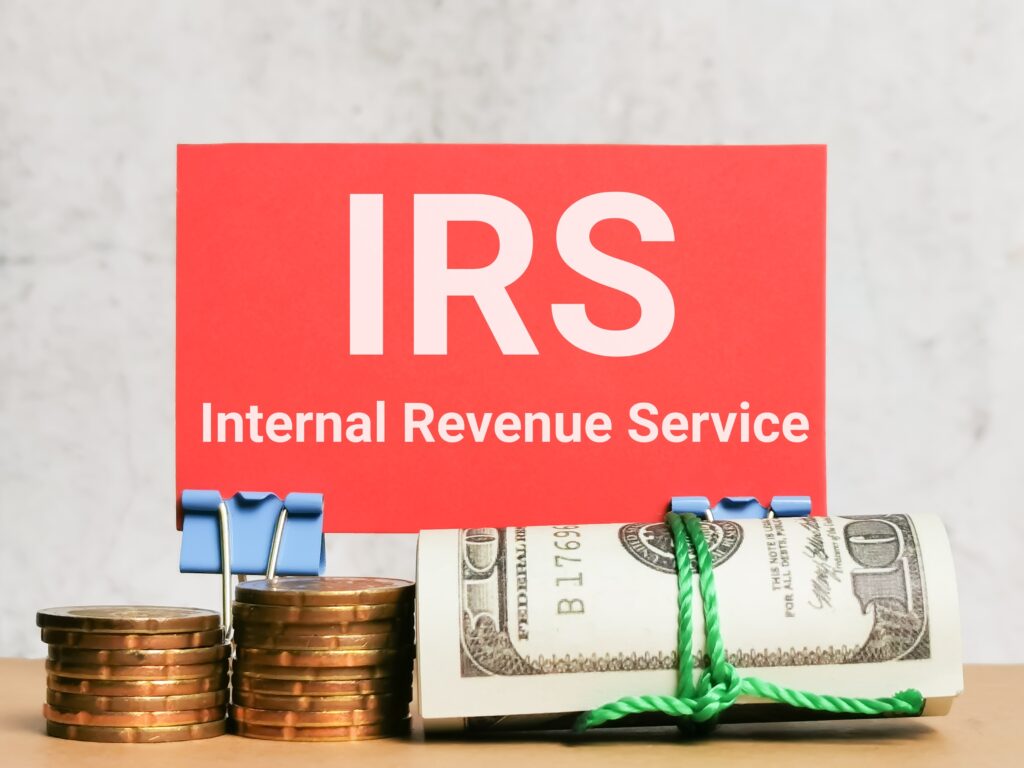
An S Corporation is not a separate type of legal entity. Instead, it is a tax election available to eligible corporations and LLCs that allows business income to be taxed on a pass-through basis.
With pass-through taxation, the business itself does not pay federal income tax. Instead, profits and losses flow through to the owner’s personal tax return. This structure is commonly used by profitable 1099 earners who want to reduce self-employment taxes while maintaining liability protection.
To qualify, the business must generally be a U.S.-based corporation or LLC, have no more than 100 shareholders, and meet specific IRS ownership requirements.
Benefits of S-Corp Election (Why It Might Be a Good Idea)
1. Significant Tax Savings for 1099 Earners
One of the main benefits of an S Corp election is the potential to reduce self-employment taxes. In an S Corp, owner-employees must be paid a reasonable salary, which is subject to payroll taxes. Remaining profits may be distributed as pass-through income, which is not subject to self-employment tax.
For higher-earning 1099 contractors and healthcare professionals, this structure can lead to meaningful tax savings when implemented correctly.
2. Pass-Through Taxation (No Double Tax)
S Corporations do not pay federal income tax at the corporate level. Instead, profits pass through to the owner’s personal tax return.
This differs from C Corporations, where profits are taxed at the corporate level and again when distributed as dividends. For many small businesses, pass-through taxation keeps the structure simpler and more tax-efficient.
3. Limited Liability Protection
Electing S Corp status does not eliminate liability protection. If your business is structured as an LLC or corporation, that legal protection remains in place after making the S Corp election. Personal assets are generally shielded from business liabilities when the entity is properly maintained.
4. Professional Credibility & Growth

Operating as an incorporated business can increase credibility with larger clients, healthcare facilities, and contracting organizations. An S Corp structure may also support future growth, as it allows up to 100 shareholders and creates a more formal business framework.
5. Tax-Deductible Benefits for Owners
S Corp owners may deduct certain business expenses in a tax-advantaged way when structured properly. These benefits often require careful setup and ongoing compliance, but can add value beyond payroll tax savings.
Drawbacks and Requirements of S-Corp Election (Why It Might Not Be a Good Idea)
1. Strict Eligibility Criteria
Not every business qualifies for S Corp status. The IRS imposes strict requirements related to ownership, entity type, and shareholder structure. Failing to meet these rules can result in loss of S Corp status.
2. Increased IRS Scrutiny & Salary Rules
S Corp owners who work in the business must be paid a reasonable salary. The IRS closely scrutinizes this requirement. Paying an unreasonably low salary to avoid payroll taxes can trigger penalties and back taxes.
3. One-Class-of-Stock Limitation
S Corporations are limited to one class of stock. This restriction prevents special profit allocations or preferred ownership arrangements, which may limit flexibility for some businesses.
4. Vehicle Expense Deductions
S Corps can deduct vehicle expenses, but the rules are specific. Owners must follow an accountable plan rules or have the business own or lease the vehicle.
5. Fringe Benefit Limitations
Certain fringe benefits available to C Corporation owners are limited or treated differently for S Corp owner-employees, particularly for shareholders owning more than 2% of the business.
Who Should (and Shouldn’t) Elect S-Corp Status?

S Corp status is often well-suited for profitable 1099 contractors, locum tenens physicians, and small business owners with consistent net income and a willingness to maintain compliance.
It may be less appropriate for businesses with low profits, fluctuating income, or owners who prefer minimal administrative responsibilities.
Evaluating income level, growth plans, and compliance readiness is key to determining fit.
How to Elect S-Corp Status (Next Steps)
To elect S Corp status, eligible businesses must file Form 2553 with the Internal Revenue Service by the required deadline. The form allows the business to be taxed as an S Corporation for federal tax purposes.
Timing matters, and late elections can create complications if not handled properly.
Conclusion – Is S-Corp a Good Idea for You?
An S Corp election can reduce self-employment taxes and provide structural benefits—but only when used in the right circumstances. Income level, compliance obligations, and long-term goals all play a role.
If you’re considering an S Corp election, proactive planning helps ensure the structure works as intended. Many business owners review their situation through ongoing tax advisory services to evaluate whether an S Corp aligns with their financial goals.
If you’re ready to discuss your options, schedule a consultation to determine whether S Corp status is the right strategy for your business.