
The Q3 estimated tax deadline, covering June 1 through August 31, is on September 15, 2026. This should be more than a reminder to send the same amount you paid in June. Q3 is a useful checkpoint for contractors with variable income to compare January-August results with the tax projection made earlier in the year.
What should be paid next can be affected by income, deductions, withholding, or prior payments. For the broader year-round process, review estimated taxes for CRNAs and locum tenens providers.
Who Should Review a Q3 Estimated Tax Payment?

Generally, taxpayers should review estimated payments if they expect to owe at least $1,000 after withholding and refundable credits and do not meet an applicable safe harbor.
Estimated payments may also apply when the withheld taxes will not be enough to cover the year’s total tax liability. This is especially relevant for CRNAs, locum tenens providers, Schedule C contractors, and professionals with both W-2 and 1099 income. Because assignments, rates, overtime, and contract changes can shift income quickly, an earlier tax projection may no longer reflect the current year.
What Should You Review Before the September 15 Deadline?
Before making the Q3 estimated tax payment, compare your original projection with what has actually happened through August. Review:
- Year-to-date 1099 income: Include contract payments, cash, checks, and side-business income.
- Business profit: Consider qualifying business expenses, not just gross deposits.
- W-2 withholding and credits: These may reduce how much estimated tax is needed on 1099 income.
- Payments already made: Confirm April and June payments, any prior-year refund applied to 2026, and other estimated payments.
If income, deductions, or withholding changed materially, update the projection rather than repeating the prior payment. See tax planning for 1099 contractors for broader forms and recordkeeping guidance.
How AGI Can Affect the Estimated Tax Safe Harbor
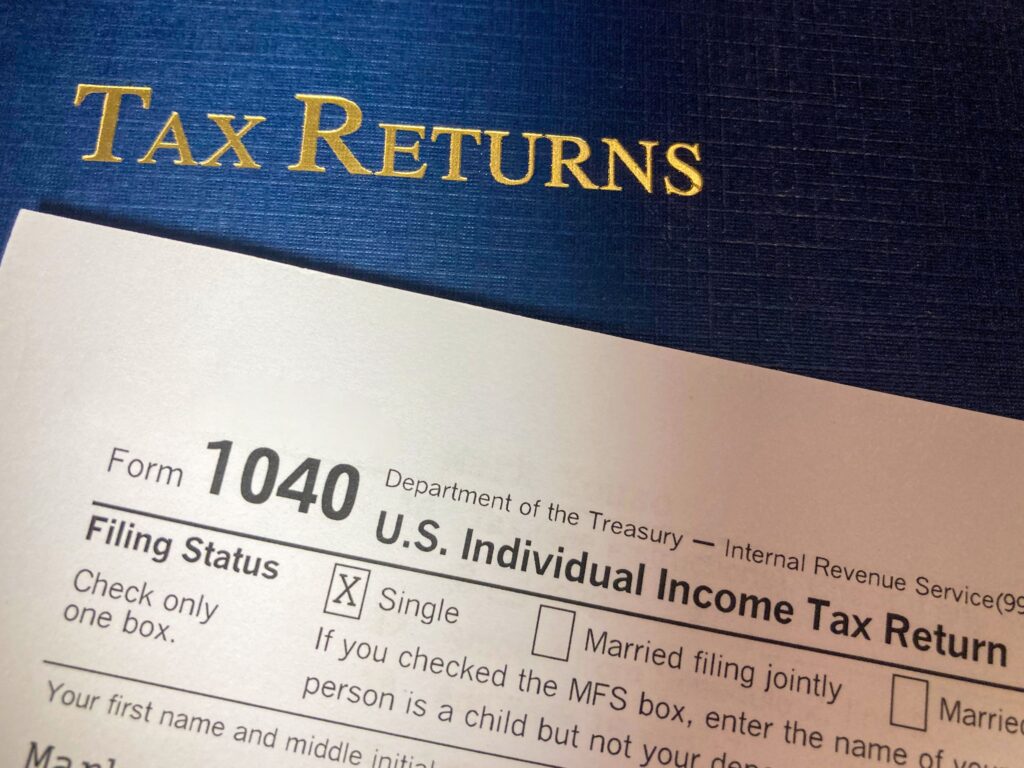
The estimated tax safe harbor generally compares 90% of expected 2026 tax with 100% of the tax shown on the 2025 return. However, if 2025 adjusted gross income (AGI) exceeded $150,000, or $75,000 for married filing separately, the prior-year percentage generally increases to 110%.
For high-income contractors, two distinctions matter:
- The 110% rule applies to prior-year tax, not income or the previous quarterly payment.
- Prior-year AGI determines whether the higher threshold applies; AGI is not the same as gross revenue, Schedule C profit, taxable income, or cash received.
What If Your 1099 Income Changes Throughout the Year?
1099 income is often uneven, especially for locum tenens professionals whose income may change from one assignment to the next. A higher-paying assignment, time between contracts, fewer shifts, or a change in expenses can all affect your projected annual income and tax liability.
If your income, deductions, or credits have changed, it may be a good time to review and recalculate your remaining estimated tax payments. This is especially relevant in locum tenens tax planning, where income can vary between assignments.
- If income increased: Higher rates, more shifts, or a new assignment may make the earlier estimate too low.
- If income decreased: Time off, fewer shifts, or a contract ending may lower the projection, but the payment should still be recalculated.
- If income is uneven: The annualized income installment method may better reflect when income is actually earned and can affect the required installments.
What Happens If You Underpay Q3 Estimated Taxes?
Because federal taxes are pay-as-you-go, an underpayment penalty may apply if too little tax is paid by the applicable quarterly deadline. Catching a shortfall in Q3 gives contractors more time to update the projection before year-end.
Also, paying extra later does not always erase an earlier underpayment because the IRS evaluates estimated tax by payment period.
The IRS estimated tax guidance explains the separate payment periods and due dates.
Q3 Estimated Tax Checklist for 1099 Contractors

Before September 15, review:
- January-August business income
- Current bookkeeping
- Deductible business expenses
- W-2 withholding, when applicable
- Federal estimated payments already made
- Prior-year tax and AGI
- Projected 2026 income
- Self-employment tax exposure
- State income and estimated payments
- Major income or deduction changes since Q2
If several of these numbers changed materially, Q3 should be recalculated rather than treated as an automatic repeat of Q2.
Frequently Asked Questions About the September 15 Estimated Tax Deadline
When is the Q3 estimated tax deadline for 2026?
For calendar-year individuals, the Q3 estimated tax deadline is September 15, 2026. It corresponds to the June 1–August 31 estimated tax payment period.
Do all 1099 contractors have to make quarterly payments?
No. Generally, estimated payments apply when the taxpayer expects to owe at least $1,000 after withholding and refundable credits and does not meet the applicable safe-harbor test.
Should my Q3 estimated tax payment be the same as Q2?
Not necessarily. Income, deductions, withholding, and payments already made may have changed since the previous calculation.
What is the 110% safe-harbor rule?
Certain higher-income taxpayers generally use 110% of prior-year tax instead of 100% when applying the prior-year safe harbor. The threshold generally applies when prior-year AGI exceeded $150,000, or $75,000 for married filing separately.
Get Help Reviewing Your Q3 Estimated Tax Payment

Has your 1099 income changed since your last estimated tax payment? The Q3 estimated tax deadline is a useful point to revisit income, deductions, withholding, prior payments, and the assumptions behind your 2026 projection.
1099 Accountant helps CRNAs, locum tenens providers, and other self-employed professionals review those numbers before quarterly deadlines.
Explore tax advisory for CRNAs and locum tenens, schedule a tax-planning consultation or contact us at (855)529 1099 to review your Q3 numbers before making your next payment.