
The June 15 estimated tax deadline is an important Q2 checkpoint for 1099 contractors because it gives you a chance to review income, deductions, prior payments, and tax liability before sending your next payment.
For freelancers, independent contractors, CRNAs, locum tenens providers, and other self-employed professionals, you should not treat the June 15 payment as a simple reminder. It is a mid-year opportunity to check whether your estimated tax payment still matches your actual income and business activity.
What Is the June 15 Estimated Tax Deadline?
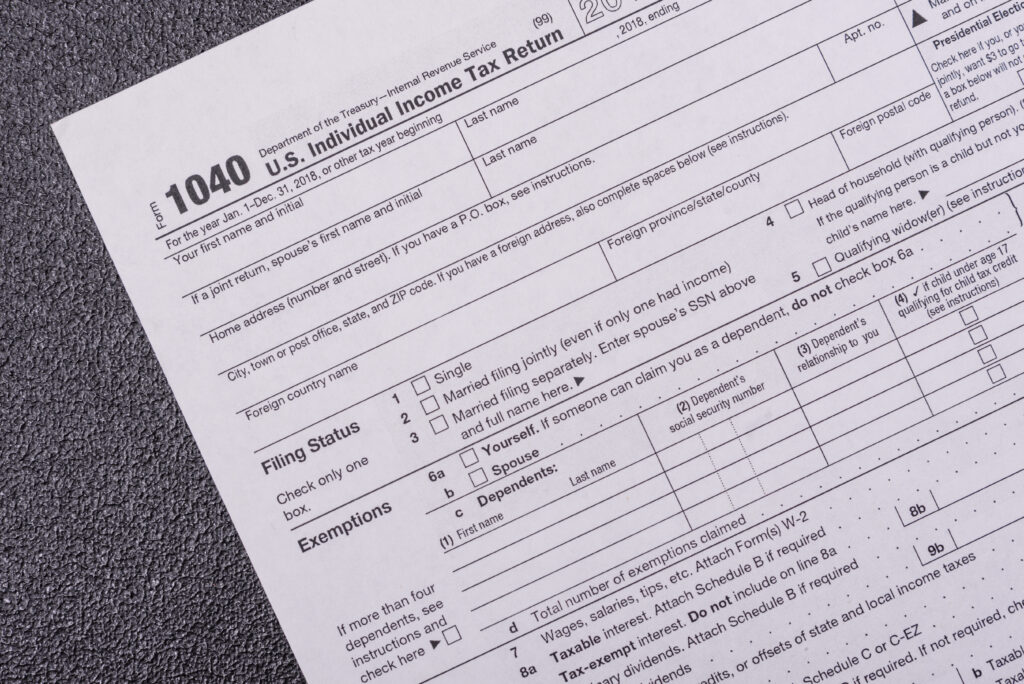
The June 15 estimated tax deadline is the second estimated tax payment deadline for the 2026 tax year.
According to the 2026 estimated tax payment vouchers, the 2026 estimated tax due dates are:
| Payment Period | Due Date |
| First payment | April 15, 2026 |
| Second payment | June 15, 2026 |
| Third payment | September 15, 2026 |
| Fourth payment | January 15, 2027 |
Form 1040-ES is used to figure and pay estimated tax. You can review the IRS Form 1040-ES guidance for more details.
If you are ready to make a payment, see our guide on how to pay federal estimated taxes online.
Who May Need to Pay Estimated Taxes by June 15?
Generally speaking, 1099 contractors may need estimated tax payments because their income is often not subject to withholding.
As the IRS explains, taxpayers use estimated tax to pay tax on income not subject to withholding, including earnings from self-employment, interest, dividends, rents, and other income. You can review the IRS estimated tax payment guidance.
It is possible that the W-2 income that was withheld could reduce what you have to pay. Nonetheless, it does not automatically remove the need to review estimated taxes, especially if you also earned 1099 income during the year.
Do Not Just Pay the Same Amount as Last Quarter

The June 15 deadline should not be treated as a copy-and-paste payment. It should be treated as a checkpoint.
Many contractors repeat the same estimated tax payment from April without reviewing Q2 income. However, Q2 may look very different from Q1.
Additional income may be derived from new contracts, locum work, increased billings, or increased clients. It may also fall off after tax season, during slower business months, or when a project finishes.
Before you pay, check your current income, deductions, prior estimated payments and any major changes since the first quarter.
Review Your 1099 Income Before Paying
Start by reviewing income received from April through May.
Separate W-2 income from 1099 income. Then check income by client, agency, contract, or assignment. If you work as a locum tenens provider, review income by facility and work state.
Compare actual income to what you expected earlier in the year. If your Q2 income was much higher or lower than expected, your June 15 estimated tax payment may need a closer review.
For a healthcare-specific tracking guide, see our article on estimated taxes for CRNAs and locum tenens providers.
Check Prior Payments and Tax Liability

Before making your June 15 estimated tax payment, confirm whether your April payment was made. Review your payment confirmation, IRS account, bank records, or bookkeeping records to avoid duplicate payments, missed payments, or inaccurate estimates.
Then review your projected tax liability, not just your current bank balance. A contractor’s cash available does not always reflect income tax, self-employment tax, or state tax needs, especially if Q2 income increased or new 1099 work was added.
Some contractors also use prior-year tax amounts as part of an estimated tax safe harbor review. However, safe harbor should not replace a current-year review, especially if your 1099 income increased in Q2 or your tax situation changed.
Review Bookkeeping Before the June 15 Deadline
Clean bookkeeping makes the estimated tax review more accurate.
Reconciled accounts help confirm income, expenses, reimbursements, and prior payments. Contractors should review books before the deadline, not after the year ends.
For support with organized records and tax-ready books, see our bookkeeping for 1099 contractors.
June 15 Estimated Tax Review Checklist
Before the Q2 estimated tax deadline, ask:
- Did you receive 1099 income this year?
- Did Q2 income increase or decrease?
- Did you separate W-2 and 1099 income?
- Are your books updated through May?
- Have you reviewed deductions?
- Did you track reimbursements separately?
- Do you have multi-state income?
- Did you review federal and state tax needs?
- Are you relying on safe harbor?
- Do you need tax planning before paying?
Get Help Before the June 15 Estimated Tax Deadline
Before you make your June 15 estimated tax payment, take time to review your income, deductions, prior payments, bookkeeping, and projected tax liability.
1099 Accountant helps self-employed professionals, CRNAs, and healthcare contractors organize their books, review estimated tax payments, and plan before tax deadlines to eliminate unnecessary stress. Schedule a consultation or contact us at (855)529-1099 today.