Many independent contractors assume that paying 0% federal income tax is unrealistic. However, the U.S. tax code allows certain individuals to lower their federal income tax burden to zero under specific circumstances.
This outcome does not happen by accident. Instead, it typically requires careful income planning, strategic deductions, and proper use of available tax rules.
For 1099 contractors, freelancers, CRNAs, locum tenens professionals, and small business owners, several tax provisions can significantly reduce taxable income. When used correctly, these strategies may reduce federal income tax liability to zero in certain years.
This article explains how these strategies work and why proactive planning is essential.
Is It Really Possible to Reduce Federal Income Tax to 0%?
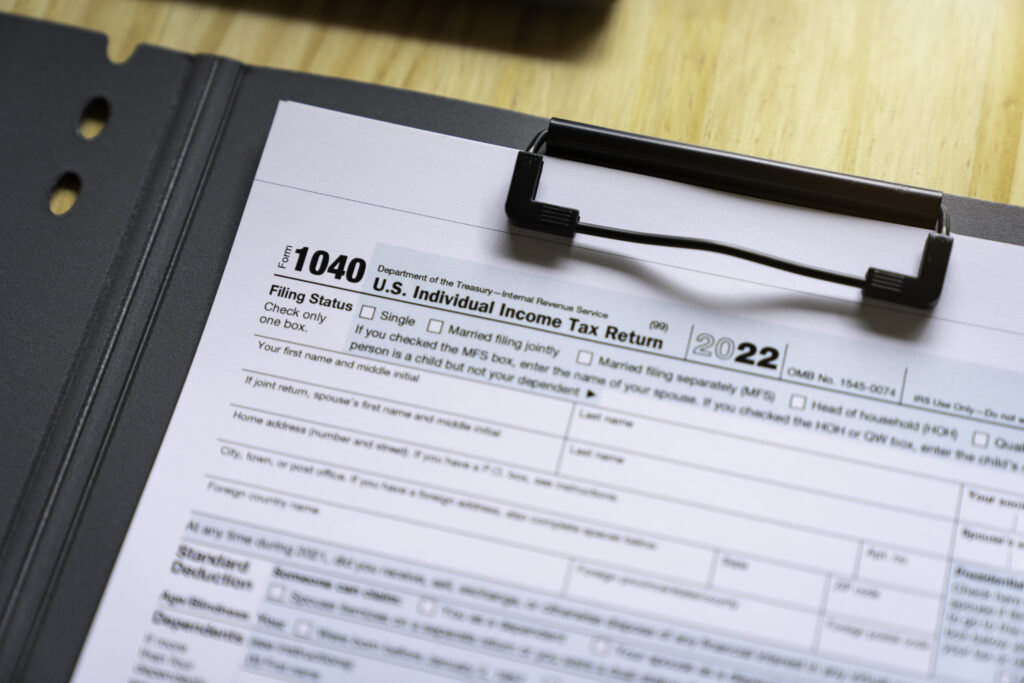
Yes, in some cases it is possible to legally reduce federal income tax liability to zero. However, several conditions must align for this to happen.
First, it is important to distinguish between federal income tax and self-employment tax.
Federal income tax applies to taxable income after deductions and credits. It uses a marginal tax bracket system. If deductions and credits reduce taxable income sufficiently, the income tax owed may reach zero.
Self-employment tax, on the other hand, funds Social Security and Medicare. These payroll taxes apply to net self-employment earnings and may still apply even when income tax is reduced.
Understanding this distinction is essential before exploring the strategies below.
Step 1 – Use the Standard Deduction and Adjusted Gross Income (AGI) Rules
The first step in reducing federal income tax involves understanding Adjusted Gross Income (AGI).
AGI represents total income from all sources less certain adjustments. From there, deductions reduce AGI to determine taxable income.
For 2025, the standard deduction has been approximately:
- Single: about $15,750
- Married Filing Jointly: $31,500
- Married Filing Separately: $15,750
- Head of household: $23,625
Each year, these figures are adjusted for inflation.
The IRS explains deduction rules in Publication 501.
Lower AGI directly reduces taxable income, which lowers the final tax liability.
Step 2 – Maximize Above-the-Line Deductions

Above-the-line deductions reduce Adjusted Gross Income directly, which makes them especially valuable for self-employed professionals.
Two of the most valuable tax deductions for 1099 contractors are self-employed health insurance premiums and retirement plan contributions.
Self-Employed Health Insurance Deduction
Self-employed individuals can deduct 100% of health insurance premiums for themselves, their spouse, and qualifying dependents.
This deduction reduces AGI and therefore lowers taxable income.
For S-Corporation owners, the deduction requires proper payroll reporting. The health insurance premiums must typically appear on the shareholder-employee’s W-2 before being deducted.
Retirement Contributions (SEP, Solo 401 (k))
Self-employed professionals can contribute to retirement plans such as:
- SEP-IRA
- Solo 401(k)
These contributions may significantly reduce current taxable income while building long-term retirement savings.
Traditional retirement contributions generally reduce taxable income today. Roth contributions, however, provide tax-free withdrawals in retirement but do not reduce current taxes.
Choosing the right structure depends on the taxpayer’s income level and long-term financial goals.
Step 3 – The Qualified Business Income (QBI) Deduction

Another important provision for 1099 contractors is the Qualified Business Income deduction, established under Internal Revenue Code Section 199A.
This deduction allows eligible taxpayers to deduct up to 20% of qualified business income.
However, several limitations apply. The deduction may phase out for higher-income professionals, particularly in certain service industries.
Because many healthcare professionals operate as independent contractors, understanding the QBI thresholds is essential.
Step 4 – Tax Credits That Can Reduce Liability to Zero
Deductions reduce taxable income, while tax credits reduce the actual tax owed.
Because credits apply directly to the final tax bill, they can play a critical role in reducing tax liability to zero.
Several common credits may apply depending on a taxpayer’s situation.
Child Tax Credit
The Child Tax Credit provides tax relief for eligible taxpayers with qualifying children.
Eligibility depends on income thresholds and the number of dependents claimed.
For families with multiple children, this credit can significantly reduce tax liability.
Education Credits
Taxpayers pursuing higher education or supporting students may qualify for education credits such as:
- the American Opportunity Credit
- the Lifetime Learning Credit
These credits reduce taxes owed when taxpayers incur qualified education expenses.
Energy Credits
Recent tax legislation expanded energy-related tax incentives.
Homeowners may receive credits for improvements such as:
- energy-efficient windows
- insulation
- certain HVAC upgrades
- renewable energy installations
These credits can reduce tax liability directly.
What This Does NOT Eliminate: Self-Employment Tax

Even if federal income tax falls to zero, self-employment tax may still apply.
Self-employment tax funds:
- Social Security
- Medicare
These payroll taxes apply to net self-employment income.
For some contractors, electing S-Corporation status can reduce self-employment tax exposure by separating salary from business distributions.
However, S-Corporation elections require careful planning and proper compliance.
Strategic Tax Planning vs Risky Aggressive Schemes
Legal tax planning is all about effectively using existing tax laws. However, it is also important to avoid aggressive tax planning that promises unrealistic results.
The Internal Revenue Service frequently investigates abusive tax practices, particularly those involving self-employed persons.
Responsible tax planning means:
- Accurate reporting
- Legitimate deductions
- Proactive planning
Working with qualified tax professionals ensures compliance with tax laws and optimizes available tax savings.
Final Thoughts: Smart Planning Can Drastically Reduce Taxes
The U.S. tax code provides many opportunities for self-employed professionals to reduce taxable income.
The key difference lies in proactive planning rather than reactive filing.
1099 Accountant works with freelancers, independent contractors, digital nomads, and locum tenens professionals across the United States.
To learn how strategic tax planning may apply to your situation, schedule a consultation or contact us at (855) 529-1099.