Imagine finishing your tax return, expecting to owe a manageable amount, only to realize you significantly overpaid.
For many CRNAs, this happens more often than expected. It’s rarely about making a mistake. Instead, it usually comes from playing it safe with estimated payments, missing deductions, or not having a structured tax plan in place throughout the year.
This guide will help you understand why overpaid taxes happen, how to fix them after filing, and what steps you can take to avoid the same issue moving forward.
Why CRNAs Often Overpay Taxes

Overpaying taxes is more common than most CRNAs expect. In fact, it often reflects caution rather than error.
Overestimated Quarterly Payments
Many CRNAs overpay to avoid penalties. Since income can fluctuate, estimated tax payments are often calculated conservatively.
In some cases, overpayments also happen when estimated taxes or extension payments are miscalculated. If you recently filed late or paid incorrectly, this guide on tax extension and payment mistakes can help clarify next steps.
Missed Deductions and Tax Strategies
A common reason for overpaid taxes is missed deductions or incomplete tax strategies.
- Untracked business expenses: Small items like scrub laundering, professional liability insurance, and credentialing fees.
- Accountable Plan reimbursements: Ensuring your S-Corp pays you back for home office or vehicle use tax-free.
- Travel & Continuing Education Expenses: 100% of travel and registration is deductible, but remember that business meals are capped at 50%.
- S-Corp Optimization: Missing the “reasonable salary” sweet spot, leading to overpaid payroll taxes.
Lack of Year-Round Tax Planning
In most cases, overpayment comes from reactive tax filing instead of proactive planning. When tax decisions happen only at filing time, opportunities are already limited.
How to Know If You Overpaid Taxes
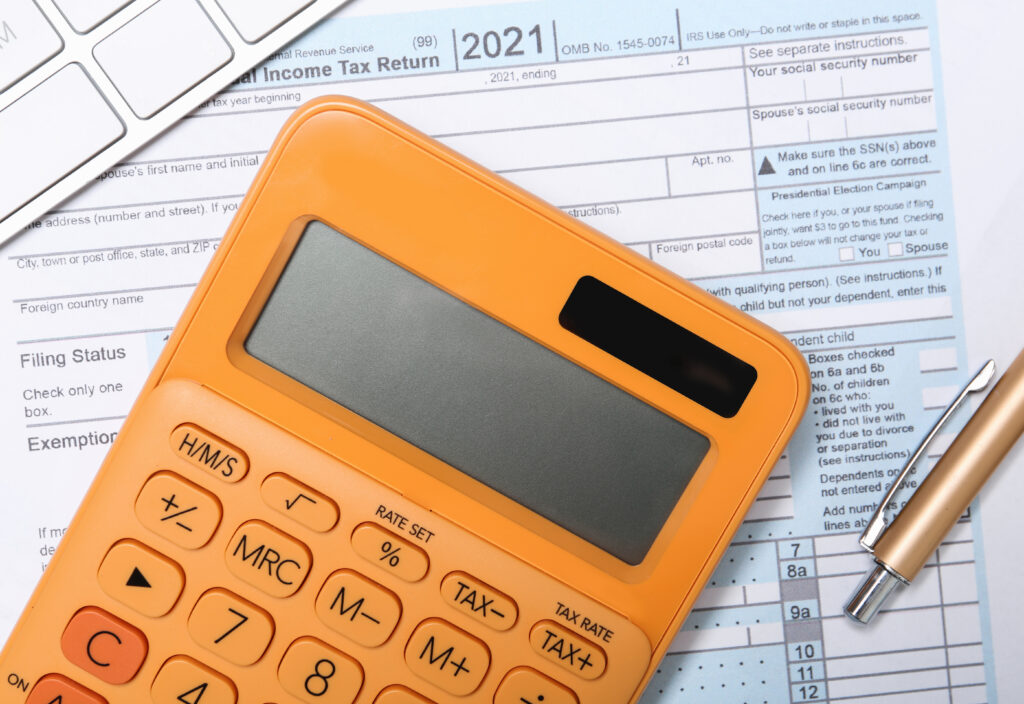
Before fixing anything, you need to confirm whether an overpayment actually occurred.
Reviewing Your Tax Return
To begin the process, start by reviewing your filed return.
Check for:
- Refund amount
- Overpayment applied to next year
- Credits carried forward
Comparing Payments vs Actual Tax Liability
Compare your total estimated payments, extension payments, and any withholding against your final tax liability. If your total payments exceed your tax due, the difference represents your overpayment.
2026 Pro-Tip: Check Your 1099-K
With the IRS fully enforcing lower reporting thresholds this year, verify that any digital payments (Venmo/PayPal) for reimbursements weren’t accidentally reported as taxable income. Overpaying often starts with over-reporting.
Understanding Extension Payments vs Final Tax
If you filed an extension earlier this year, remember that an extension is a delay for your paperwork, not a delay for your payment. Any tax you owe was still due in April, which is why many CRNAs send a ‘safety payment’ and that often ends up being more than they actually owe.
This guide on how tax extensions actually work explains how payments are treated and why overpayment can happen even when filing is delayed.
Ways to Fix Overpaid Taxes in 2026
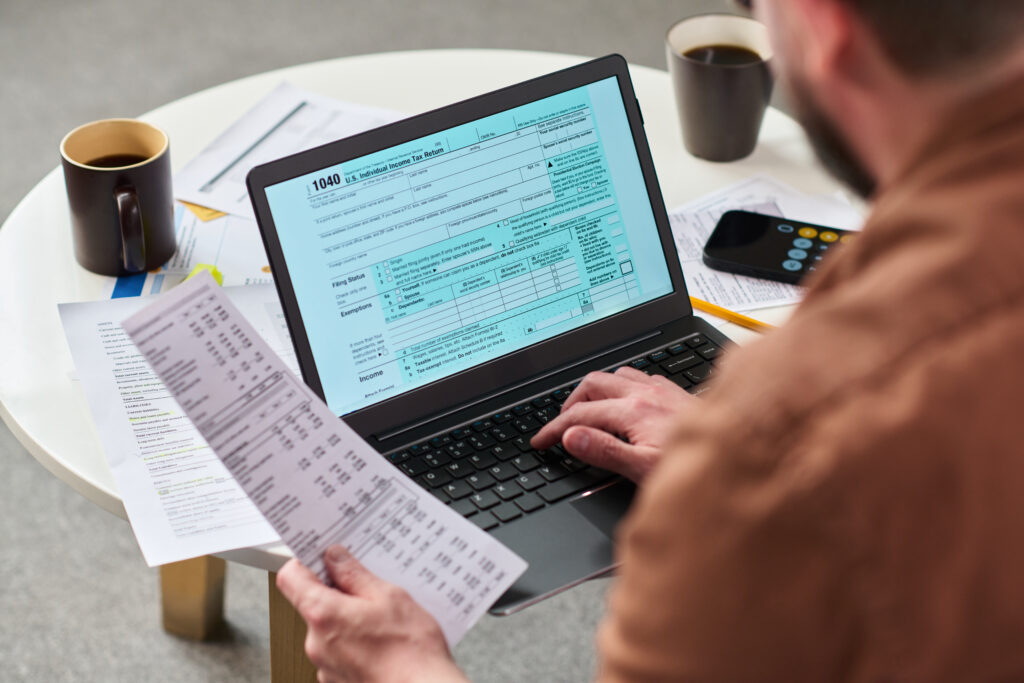
If overpayment was due to a filing mistake, there are several ways to fix overpaid taxes depending on your situation.
Filing an Amended Tax Return (Form 1040-X)
If you find that you missed significant deductions after you’ve already hit “submit,” you don’t have to wait until next year. You can file Form 1040-X to correct the error.
- The Window: You generally have 3 years from the date you filed to claim a refund.
- What it fixes: Everything from missed continuing education expenses to correcting your S-Corp distribution vs. salary ratio.
Applying Overpayment to Next Year’s Taxes
Instead of requesting a refund, you can apply the overpayment to future tax obligations. This is a strategic decision to offset upcoming Q1 or Q2 estimated payments.
Adjusting Future Estimated Payments
To prevent repeated overpayment, you should adjust your estimated taxes going forward.
In most cases, this step ensures your payments better match your actual income and tax liability.
How CRNAs Can Avoid Overpaying Taxes Next Year
Fixing overpaid taxes is only part of the solution. The long-term goal is avoiding the issue altogether.
- Implementing S-Corp Strategy Properly: Set a reasonable salary, distribute profits strategically, and reduce unnecessary self-employment tax exposure.
- Using Accountable Plans: Properly reimburse yourself for travel, meals (at the 50% limit), and continuing education without increasing your taxable income.
- Tracking Deductions Consistently: Strong recordkeeping directly reduces overpayment issues.
- Plan for the 2026 “Sunset”: Many provisions from the Tax Cuts and Jobs Act are scheduled to change soon. Fixing an overpayment today helps clean up your books for the potential shifts in tax brackets and standard deductions coming in 2027.
Need Help Handling Overpaid Taxes as a CRNA?
If you’ve overpaid taxes in 2026, the priority is not just getting the money back, it’s making sure it doesn’t happen again.
A common mistake is treating overpayment as a one-time issue. In reality, it often reflects gaps in planning, tracking, or strategy that can continue year after year if left unaddressed.
With the right approach, you can:
- Recover overpaid taxes where applicable
- Adjust future estimated payments more accurately
- Capture deductions consistently
- Build a more efficient long-term tax strategy
If you want a clear review of your situation and a more structured plan moving forward, schedule a consultation or contact us at (855) 529-1099.