For 1099 contractors, freelancers, and self-employed individuals, estimated taxes are a required part of staying compliant with the IRS. Unlike W-2 employees, taxes are not automatically withheld from your income, which means the responsibility to plan and pay falls directly on you.
The 4th quarter estimated tax payment is often the most confusing, and the most commonly missed. It comes due in January, after the year has ended, when many people assume tax season hasn’t started yet. Understanding how this payment works, who must pay it, and what happens if you miss the deadline can help you avoid penalties and plan more confidently going forward.
What Are 4th Quarter Estimated Taxes
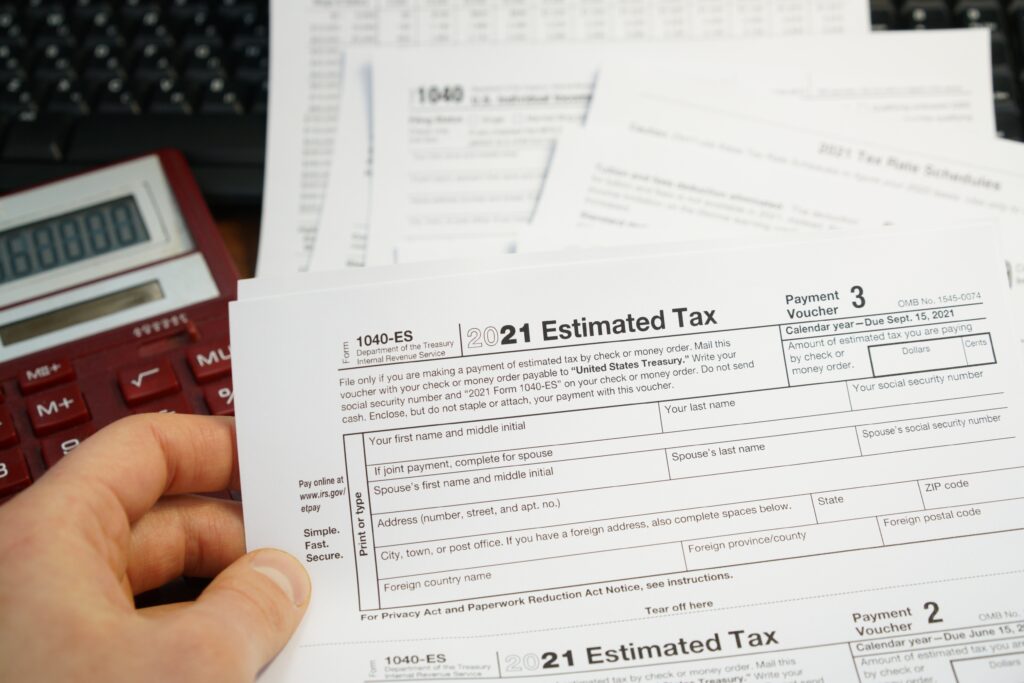
Estimated taxes are quarterly payments made on income that is not subject to federal withholding. These payments cover both income tax and, where applicable, self-employment tax.
The 4th quarter estimated tax payment applies to income earned between September 1 and December 31. Even though that income is earned at the end of the year, the IRS still expects payment shortly after the year closes.
Why Estimated Taxes Exist
The IRS uses estimated tax payments to collect tax throughout the year rather than allowing taxpayers to pay everything at once when they file their return. This system applies to anyone earning income without withholding, including self-employed individuals and business owners.
Without estimated taxes, many taxpayers would face very large balances due at filing, and the IRS would go an entire year without collecting tax on that income.
Why Q4 Often Catches People Off Guard
The first three estimated tax payments fall neatly within the calendar year. The fourth does not. Because it is due in January, many taxpayers mistakenly believe it can be handled when filing their return in April. Unfortunately, the IRS treats estimated tax deadlines separately from filing deadlines.
Who Is Required to Pay Estimated Taxes?

Not everyone must pay estimated taxes, but most 1099 earners do.
In general, estimated tax payments are required if you expect to owe $1,000 or more in federal tax after subtracting withholding and credits.
1099 Contractors and Freelancers
Independent contractors and freelancers typically receive gross payments with no tax withheld. Because of this, estimated taxes are usually required unless sufficient tax is paid through other sources.
Self-Employed Individuals and Business Owners
Sole proprietors, partners, and small business owners often earn income that flows directly to their personal return. If that income is not covered by withholding, estimated tax payments are required.
S Corporation Shareholders
S-corp shareholders who receive pass-through income may also need to make estimated payments, particularly if their wages do not withhold enough tax to cover the total liability.
When Is the 4th Quarter Estimated Tax Deadline?
The 4th quarter estimated tax payment is generally due on January 15 of the following year. If January 15 falls on a weekend or federal holiday, the deadline moves to the next business day.
This deadline applies even though your tax return is not due until April.
Why the Timing Matters
Because the deadline comes shortly after the holidays, many taxpayers have already spent or reinvested income earned late in the year. Without planning ahead, coming up with a January payment can feel stressful or unexpected.
How Much Should You Pay for 4th Quarter Estimated Taxes
The amount you should pay depends on your total income, deductions, credits, and how much you’ve already paid throughout the year.
Safe Harbor Rules
Many taxpayers rely on IRS “safe harbor” rules to avoid penalties. Generally, penalties may be avoided if you’ve paid at least:
- 90% of your current year tax, or
- 100% of your prior year tax (110% for higher-income taxpayers)
These rules are why prior-year information is often used as a planning baseline.
Why Guessing Is Risky
Estimating taxes by guesswork often leads to underpayment penalties or overpayment that strains cash flow. Using real income and expense data provides far more reliable results.
Why Bookkeeping Matters for Q4
Accurate, up-to-date bookkeeping allows you to calculate estimated taxes based on actual performance rather than assumptions. Many 1099 contractors avoid surprises by reviewing their numbers quarterly with structured online bookkeeping support.
What Happens If You Miss the 4th Quarter Estimated Tax Deadline?

Missing the 4th quarter estimated tax payment does not prevent you from filing your return, but it may result in penalties and interest.
Penalties and Interest
The IRS may assess an underpayment penalty if you did not pay enough tax during the year. Interest accrues from the original due date until the tax is paid, even if the balance is settled when you file.
Common Mistakes We See with 1099 Contractors
What we commonly see with 1099 contractors is the assumption that paying everything in April will resolve the issue. Unfortunately, the IRS treats estimated tax deadlines independently, which means penalties can apply even if the full tax is eventually paid.
In some cases, penalties may be reduced if income was uneven during the year, but this requires proper calculation and documentation.
How 1099 Contractors Can Stay Ahead of Estimated Taxes
Staying ahead of estimated taxes is less about perfection and more about consistency.
Uneven Income and Freelancers
Freelancers and contractors with seasonal income often struggle with equal quarterly payments. Reviewing income quarterly instead of annually helps align payments more closely with actual earnings.
W-2 Withholding vs 1099 Responsibility
W-2 employees rely on employers to withhold taxes automatically. 1099 contractors must replace that system themselves, which is why estimated taxes are essential.
Practical Planning Approach We See Work
Many contractors set aside a percentage of each payment into a separate account and review totals quarterly. This approach helps ensure funds are available when estimated taxes are due.
Next Steps
If you’re unsure how much you should be paying in estimated taxes, or want help planning ahead, we can help review your numbers and keep you compliant.
Schedule a consultation to build a clearer estimated tax plan and avoid surprises going forward.