
A 1099 tax deductions list in 2026 can help contractors understand which business expenses may reduce taxable income. However, deductions only help when you incur them for business, document them properly, and do not receive a reimbursement.
For 1099 contractors, freelancers, self-employed professionals, CRNAs, nurse practitioners, locum tenens providers, and small business owners, the goal is to track ordinary and necessary business expenses clearly, so your records support the deduction if reviewed.
Before You Claim a 1099 Tax Deduction, Know the Basic Rule
Deductions are not automatic. Before claiming a 1099 tax deduction, check these three points:
- The expense should have a clear business purpose, connected to your work, and be ordinary and necessary for your business.
- The expense should be supported by records, such as receipts, invoices, mileage logs, bank statements, or payment confirmations.
- The expense should not already be reimbursed by an agency, client, or facility.
The IRS explains that Schedule C reports income or loss from a business operated as a sole proprietor, including certain 1099 income. You may also need to file Schedule SE when you owe self-employment tax.
Top 1099 Tax Deductions Contractors Should Track in 2026
1. Home Office

A home office may qualify if you use the space regularly and exclusively for business. This can include a dedicated workspace used for scheduling, billing, documentation, bookkeeping, or client communication. The IRS home office rules are explained further in IRS Publication 587.
2. Mileage and Vehicle Expenses
Business mileage, parking, tolls, and certain vehicle costs may qualify when tied to business use. Contractors should keep mileage logs that show the date, destination, business purpose, and miles driven. The IRS set the 2026 business standard mileage rate at 72.5 cents per mile.
3. Business Travel
Business travel may include airfare, lodging, rental cars, rideshare, parking, and assignment-related travel. For travel to qualify, the facts matter, including tax home, assignment length, reimbursement treatment, and business purpose.
4. Meals During Business Travel

Meals during business travel may qualify when tied to eligible business travel and properly documented. Keep receipts and note the business purpose. You should categorize meals carefully, especially when your travel includes both personal and business activities.
5. Dues and Subscriptions
Professional dues and subscriptions may qualify when they support your contractor work. This may include professional memberships, trade publications, industry tools, or business-related subscriptions.
For healthcare contractors, this may include professional dues and subscriptions related to your clinical or business work.
6. Software and Apps
Software and apps may qualify when used for business. Examples include bookkeeping software, scheduling tools, secure file storage, business communication platforms, payment apps, and industry-specific tools.
7. Continuing Education
Continuing education may include courses, certifications, conferences, webinars, and training related to your work.
For CRNAs, locum tenens providers, nurse practitioners, and healthcare contractors, conference and continuing education costs should be tracked with receipts, agendas, proof of payment, and business purpose notes.
8. Insurance
Business-related insurance may qualify as a deduction. This may include professional liability insurance, malpractice insurance, business liability coverage, cyber insurance, or other coverage tied to your contractor work.
9. Phone and Internet
Phone and internet costs may qualify based on business-use percentage. Avoid deducting the full bill unless the service is used entirely for business. A reasonable allocation helps separate business use from personal use.
10. Tax Preparation and Bookkeeping

Tax preparation and bookkeeping fees may qualify when tied to your 1099 business. Clean books help contractors track deductions before tax season instead of reconstructing expenses later.
Bookkeeping for 1099 contractors also helps separate income, reimbursements, personal costs, and business expenses.
11. Office Supplies and Equipment
Office supplies and equipment may include laptops, monitors, printers, scanners, postage, paper, work-related furniture, and supplies used for business. Larger purchases may need special handling, depending on cost, use, and tax treatment.
12. Marketing and Website Costs
Marketing and website costs may qualify when they support your business. This can include domains, website hosting, business email, ads, branding, online profiles, and design costs.
13. Bank Fees and Payment Processing Fees

Business checking fees, wire fees, merchant fees, credit card processing fees, and payment platform fees may qualify when connected to business income or payments.
14. Licensing and Credentialing Fees
Licensing and credentialing fees may qualify when required for your work. For healthcare contractors, this may include CRNA licensing, state renewals, background checks, credentialing, onboarding fees, and facility-related documentation costs.
15. Assignment-Related Expenses
Assignment-related expenses may include required supplies, parking, travel, lodging, facility-specific costs, or contract-related expenses that are not reimbursed. Keep each assignment’s costs organized by facility, state, contract dates, and reimbursement status.
Records Matter More Than the Deduction List
Contractors should make sure the expense is supported by clear records. A deduction list is helpful, but receipts, invoices, mileage logs, bank statements, and reimbursement details are what make the deduction easier to support.
Some expenses need extra caution, including meals, travel, mileage, home office, clothing, phone, and internet. These costs may qualify in certain situations, but they often involve mixed personal and business use.
Why Bookkeeping Matters for 1099 Tax Deductions
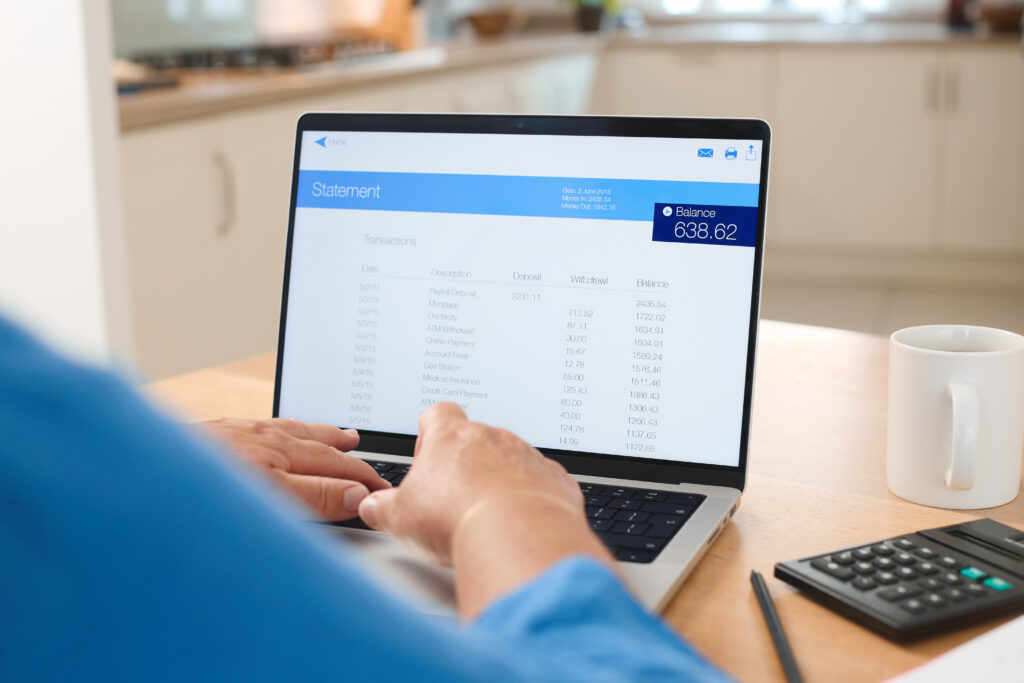
Bookkeeping matters because deductions are easier to support when books are updated monthly. Clean records help categorize income and expenses, separate personal and business costs, track reimbursements, reconcile bank and credit card accounts, prepare Schedule C more cleanly, and support better estimated tax planning.
Without updated books, contractors may miss deductions, duplicate reimbursed expenses, or rely too heavily on year-end memory.
Get Help Tracking 1099 Tax Deductions in 2026
1099 tax deductions are only useful when your records are clean; your expenses are properly categorized, and your tax strategy matches your income.
1099 Accountant helps contractors, CRNAs, locum tenens providers, nurse practitioners, and healthcare professionals organize bookkeeping, track deductions, and prepare for tax season with more confidence. Schedule a consultation or contact us at (855)529-1099 today.